Rubber is one of the most important raw materials used in many industries and applications across various vital fields. Both types are highly demanded by manufacturers, but before determining which is better, it’s essential to understand the properties and uses of each
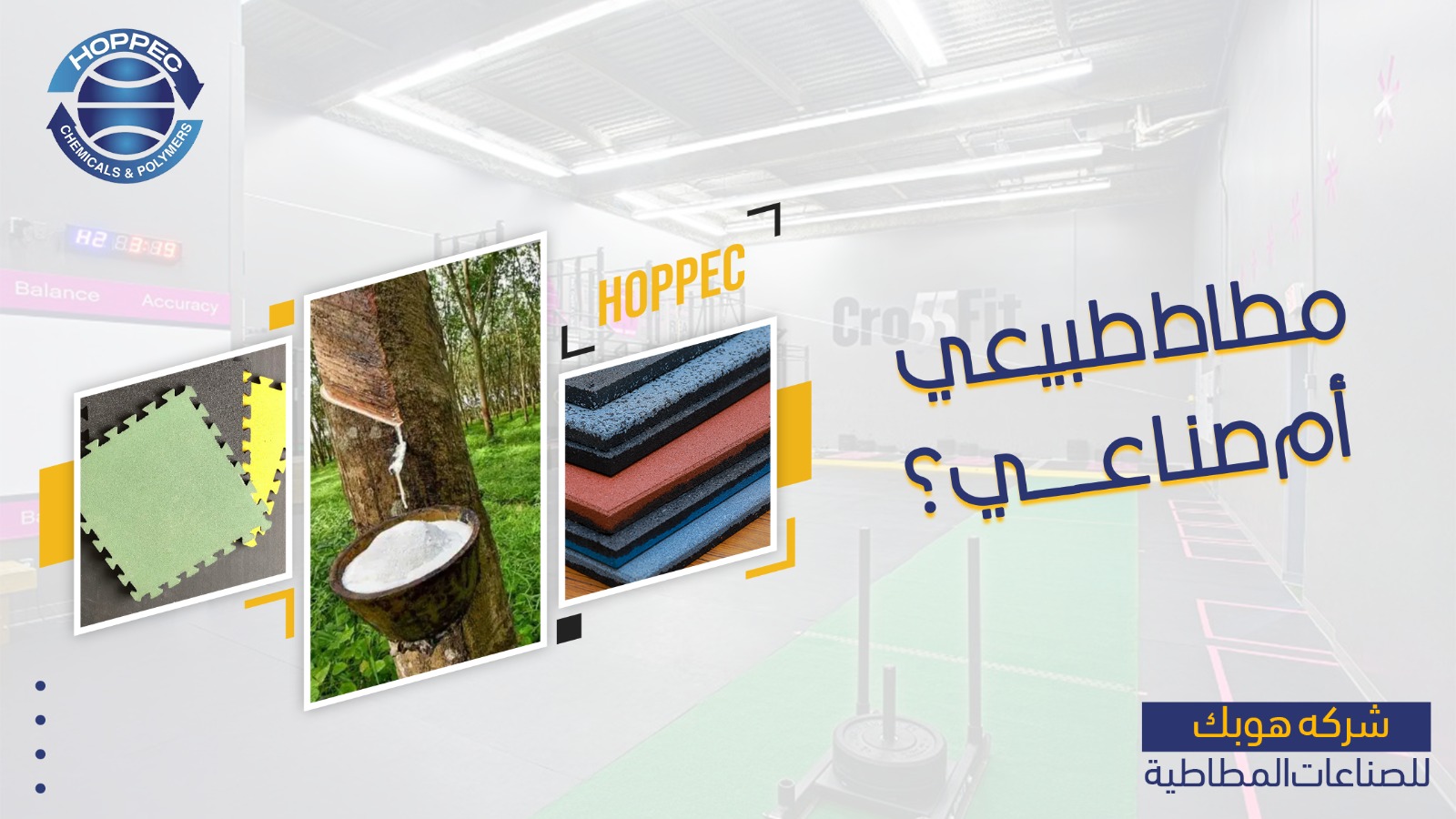
Which is BetterNatural or Synthetic Rubber
Natural Rubber
The material extracted from the rubber tree (*Hevea* tree) in the Amazon rainforest is known as latex, and it’s used to make natural rubber. Many products like tires and shoes are manufactured using natural rubber, and latex products are also used in combating AIDS and other diseases that spread from human to human. Latex is entirely safe as it can be recycled and used to make new rubber products, and trees producing latex do not need to be cut down
Uses of Natural Rubber
Car and Aircraft Tires Natural rubber is highly flexible and durable, making it ideal for tire manufacturing, especially for cars and airplanes. Medical and Surgical Gloves Due to its antibacterial properties and flexibility, natural rubber is used in sterile medical gloves. Sporting products is used in making sports balls, like basketballs and tennis balls, and other sports equipment. Medical equibments used in producing medical instruments like tubing and rubber masks. Mattresses used in mattresses and bedding that require flexibility and body comfort.- Seals and GasketsNatural rubber is used in making seals and gaskets, which need pressure resistance and flexibility.
Synthetic Rubber
Synthetic rubber is chemically produced to mimic the properties of natural rubber. It’s made from various synthetic polymers like polybutadiene (PBD), polyisoprene (PIR), and styrene-butadiene rubber (SBR) and is known for its high resistance to heat, oils, and chemicals.
Uses of Synthetic Rubber
Heavy-Duty and Truck Tires: Synthetic rubber is used in tires requiring extra resistance to heat and wear, such as those for trucks and heavy equipment. Oil and Chemical Industries: It is used in pipes and hoses resistant to oils and chemicals. Electrical Wires and Cables: Synthetic rubber is used to insulate wires and cables to protect them from heat and corrosion. Conveyor Belts: Conveyor belts made from synthetic rubber are used in factories and quarries to transport heavy materials. Rubber Flooring: Rubber flooring made from synthetic rubber is used in industrial areas and sports fields for its shock-absorbing properties. Weather-Resistant Products: Such as insulation for windows and doors, due to its resistance to weather factors like rain and UV rays. Automotive Parts: Synthetic rubber is used in many car parts, such as door seals, window seals, and insulation
Differences Between Natural and Synthetic RubberIn terms of:
First physical Properties : Natural Rubber
It has high flexibility and excellent tensile strength, compression resistance, and good friction resistance
Synthetic Rubber
Its properties vary depending on its chemical composition, as there are multiple types, like neoprene and butadiene, and it tends to be more resistant to certain chemicals and corrosion
second Environmental Tolerance : Natural Rubber
More biodegradable, making it environmentally friendly
Synthetic Rubber
Less biodegradable, potentially having a greater environmental impact upon disposal
Third Cost and Production : Natural Rubber
Its production depends on tree cultivation and climate conditions, which may affect its cost and availability
Synthetic Rubber
Cheaper and easier to produce in large quantities, as it is not as affected by environmental factors as natural rubber
Advantages of Natural Rubber:
First :
Natural rubber has many advantages compared to synthetic rubber, including high tensile strength, tear resistance, and lower odor compared to synthetic rubber. Additionally, it has unique properties not found in synthetic rubber. It offers chemical resistance, fluid resistance, ozone resistance, electrical resistance, and other types of resistance. It can also withstand heat well, with lower resistance to temperature changes, and improved heat aging
Second :
Natural rubber contains proteins like Hev b3 and Hev b1, which prevent allergic reactions on human skin
Third :
A significant advantage of natural rubber is that it is environmentally friendly, as it is sourced from trees, and harvesting it has a lower environmental impact because no heavy machinery is required.
Advantages of Synthetic Rubber:
First :
Synthetic rubber has many advantages, including high durability, extreme flexibility, and excellent shock .absorption
Second :
It is widely used in industries, compensating for the shortage of natural rubber as a raw material.
Third :
Most importantly, synthetic rubber can be recycled, allowing for its reuse without harming the environment.
In Conclusion
Both natural and synthetic rubber play crucial roles in various rubber industries, and they are in high demand today.






0 Comments