Padel courts are areas designated for practicing padel, a sport that combines tennis and squash. These courts are distinguished by their special design that combines a relatively small size with surrounding glass walls that are used as part of the game, enabling players to bounce the ball during play, which makes the game fun and challenging.
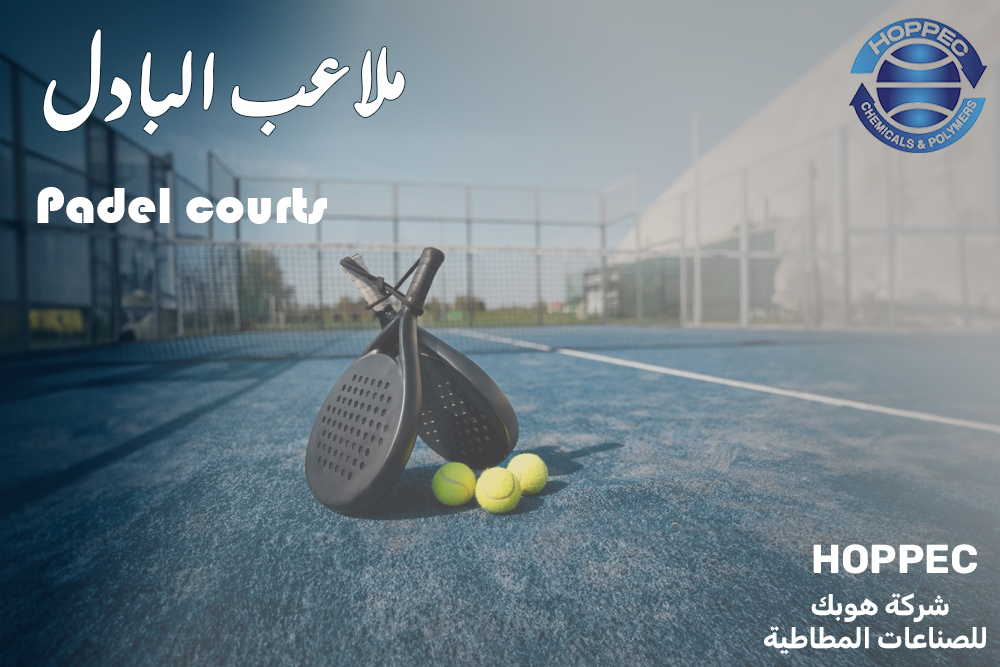
Padel court flooring
Specifications of a Padel Court:
The dimensions of the padel court are 20 meters in length and 10 meters in width. The court is divided into two halves by a net with a height of 88 cm in the middle and 92 cm on the ends. The stadium is surrounded by glass or metal walls 4 meters high, and the courts must be well lit to suit playing at night.
Flooring is an important and major factor in attracting players and ensuring that they continue to have an enjoyable and safe playing experience, so it is important to choose the most suitable one carefully.
Types of padel court flooring:
1. Acrylic flooring:
It is used in some stadiums and provides a smooth surface and greater ball speed. It is considered one of the best stadium floorings used at the global level, as it helps in ease of movement and fewer injuries to players. It is characterized by high flexibility, durability and corrosion resistance, which makes it withstand repeated movement and heavy use. It is characterized by ease of cleaning, maintenance and sound insulation. Which helps reduce noise resulting from movement and is available in a variety of colors and designs to suit any decor.
2. Tartan flooring:
It is a type of rubber flooring made from natural rubber, synthetic rubber, or recycled rubber, in addition to binders such as polyurethane or polyester. It is characterized by durability, flexibility, and resistance to friction and weather factors.
3. Artificial grass:
It is considered the most common in padel courts, as it provides high flexibility and good ball control. It usually contains rubber granules or silica sand to support players and reduce the risk of injury. It is characterized by its high resistance to weather factors that padel courts may be exposed to.
4. Rubber flooring:
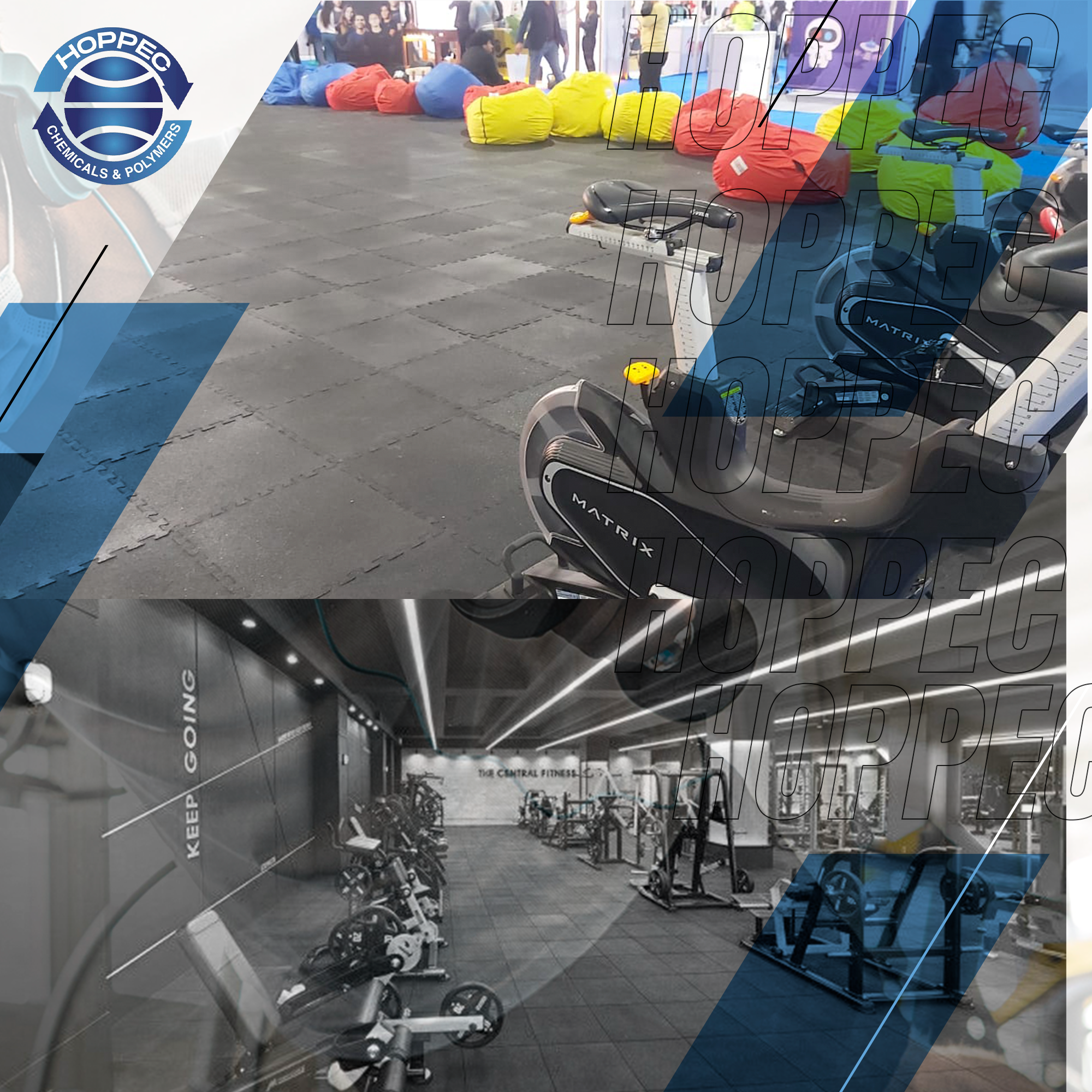
It is sometimes used as a support layer under artificial turf or acrylic, and it has a very important role in absorbing shocks that players may be exposed to and reducing stress on them while playing thanks to its flexibility.
Note that before applying any type of flooring, you must first use concrete flooring as a base for other flooring, such as artificial turf or acrylic, and make sure that it is level and appropriately designed for water drainage.
• Tips for maintaining padel courts:
International standards determined by padel administrations must be adhered to when preparing floors، Paying attention to regular maintenance to maintain the floor’s performance and quality.
Padel court features:
Paying attention to regular maintenance to maintain the floor’s performance and quality.
Padel tennis courts have many advantages, including:
• Enclosed design: The surrounding walls allow the ball to be used as it bounces, making the game more exciting.
• Accessibility: The court is smaller than a traditional tennis court, making movement easier, especially for beginners.
• Flexibility: Padel can be played individually (one against one player) or in a team (two teams of two players). The game does not force you to form a large team in order to play it
• Padel courts are characterized by an essential element in the field of sports, and padel and its manager are more attractive to those interested in sports and entertainment, as they are not just a sports space, but rather are considered powerful tools for promoting sports and sharing social interaction on a large scale.
:contact us
01288890204



0 Comments