Before diving into the advantages and disadvantages of rubber flooring, let’s first take a brief look at what it is: Rubber flooring is highly flexible and features shock-absorbing properties that help prevent injuries, making it essential for sports facilities, workplaces, children’s play areas, commercial spaces, and playgrounds due to its outstanding characteristics.
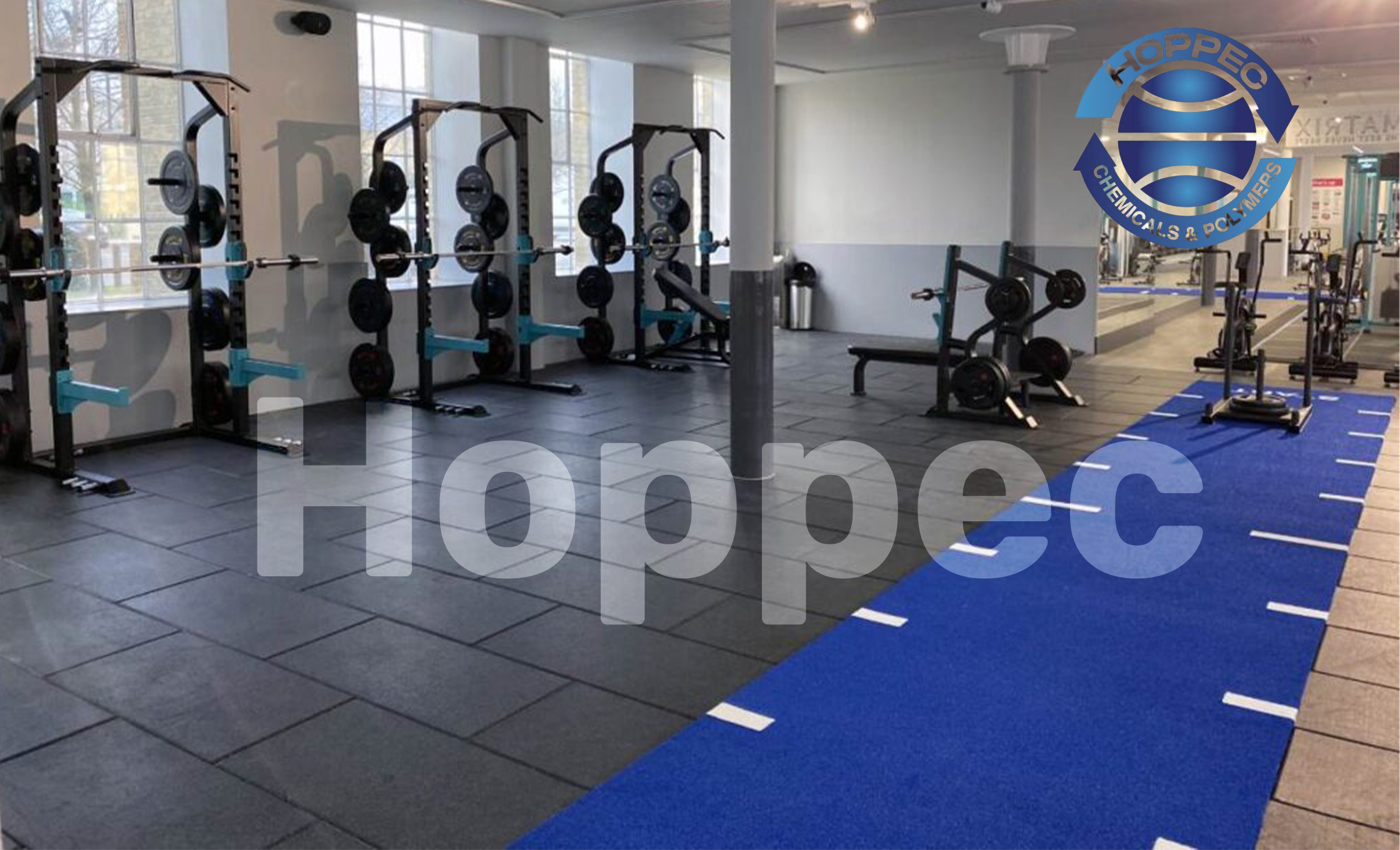
The Most Important Advantages and Disadvantages of Rubber Flooring
*Key Advantages:
Sound Insulation
Rubber flooring helps reduce noise, making it an excellent choice for crowded spaces such as shopping malls, gyms, offices, and schools.
Shock Absorption
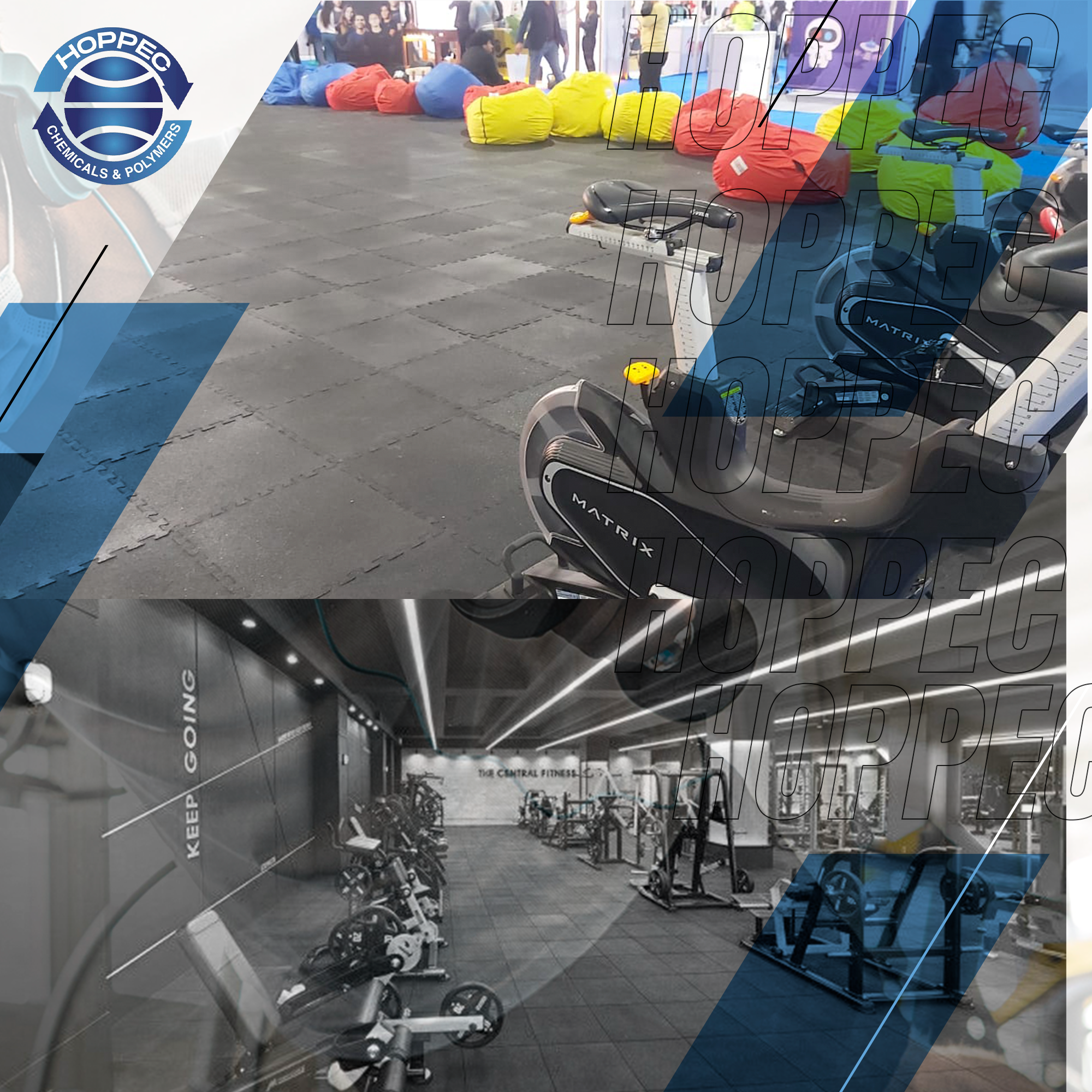
It provides a flexible surface that absorbs shocks from falls or prolonged slipping, making it ideal for playgrounds, gyms, nurseries, schools, and children's play areas.
Comfort in Use
The soft, flexible surface offers comfort for standing or moving over long periods, reducing foot fatigue.
Easy Cleaning and Maintenance
It can be easily cleaned using a damp cloth and regular detergents without requiring costly maintenance or specialized cleaners.
Versatility for Different Applications
Rubber flooring is suitable for playgrounds, gyms, gardens, schools, hospitals, and even industrial settings due to its diverse properties and benefits.
*Key Disadvantages:
1. High Initial Cost:
The cost of installing rubber flooring is generally higher compared to other types of flooring, such as ceramic tiles, due to the specific standards and specifications involved. Rubber tiles are made from high-quality natural or recycled rubber, which increases their cost. Additionally, features such as slip resistance, shock absorption, and moisture resistance justify their higher price. Manufacturing processes may also require advanced techniques to produce high-quality products, making the initial cost an investment in durability and safety for high-demand areas.
2. Odor Accumulation:
Rubber tiles may retain odors in certain cases, especially if not cleaned or maintained regularly.
(High Humidity)
Exposure to water or moisture without proper ventilation can lead to odors caused by mold or bacterial growth.
(Spilled Liquids)
Spills of substances like oils or beverages that are not cleaned thoroughly can result in odor buildup.
(Poor Ventilation)
In areas such as gyms or animal rooms, rubber flooring may absorb sweat or unpleasant odors if not cleaned regularly.
(Low-Quality Materials)
Cheaper rubber tiles may retain odors more due to higher porosity. To avoid this, choose a reliable manufacturer like Hoppec.
3. Difficulty in Moving:
Rubber flooring often consists of multiple layers, making it heavy and thick, which can make moving it challenging. However, this can also be an advantage since the extra weight helps keep the tiles in place without permanent fixation, reducing the likelihood of movement in spaces where rubber flooring is used temporarily or frequently
To overcoming the Disadvantages you should know that Most of these drawbacks can be addressed by selecting high-quality materials from specialized manufacturers with expertise in rubber products, as well as relying on professional teams for installation and maintenance.
Final Thoughts:
Rubber flooring has become a perfect choice across various fields, offering practical and cost-effective solutions for modern needs. It stands out for its safety, durability, and sustainability, making it an ideal option for personal and commercial use alike.
contact us
01288890204





0 Comments