Running is one of the basic sports that many people tend to practice who want to stay in good health for a long life because of its many health, physical and mental benefits. Running tracks are considered one of the basic elements that contribute to improving a healthy lifestyle and developing sports in general.
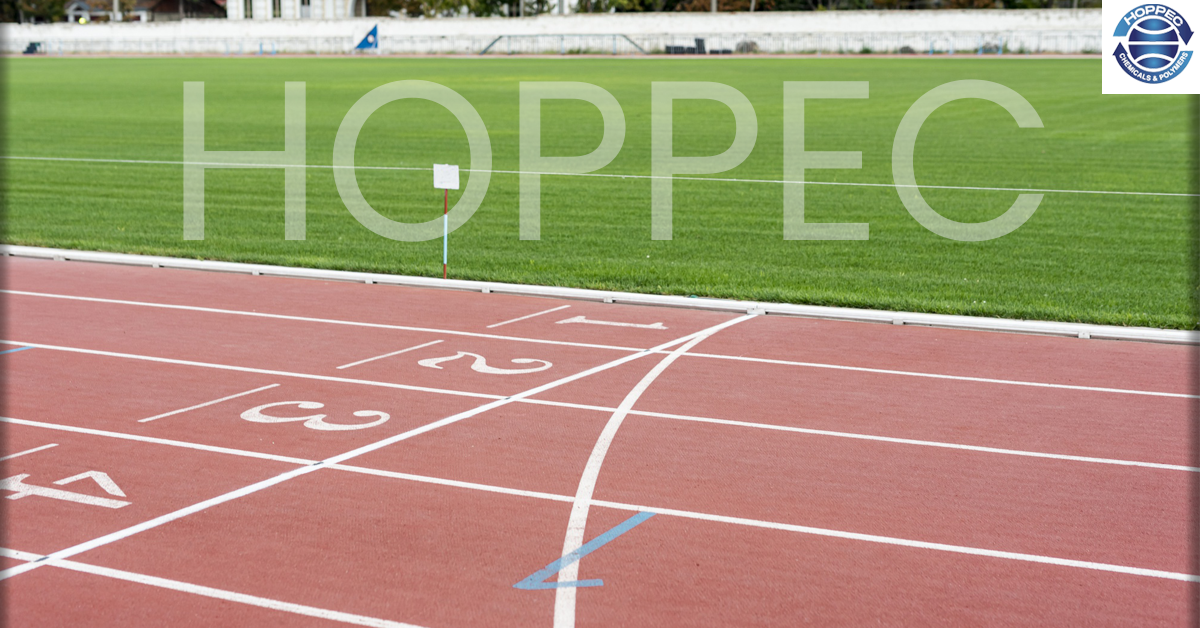
The most important steps in preparing a professional running track
The Role of Running Tracks in Sports
Enhancing Athletic Performance:
Running tracks provide an ideal and well-designed environment for athletes of all levels. The leveled and well-prepared surfaces significantly improve physical performance.
Injury Prevention:
Compared to running on streets or uneven surfaces, running tracks reduce the risk of injuries caused by hard or irregular terrain.
Encouraging Physical Activity:
Running tracks make it easier for individuals to engage in regular exercise, encouraging better fitness and overall health.
Developing Athletic Skills:
Tracks allow runners to train systematically, helping them improve their endurance and speed while achieving continuous progress in performance.
Fostering Community Engagement:
Running tracks are ideal gathering places, promoting participation and cooperation in group sports activities.
Sustainability and Environmental Protection:
Many modern running tracks are designed with sustainable, eco-friendly materials, contributing to environmental preservation.
Steps to Setting Up a Professional Running Track:
1. Choosing the Right Location:
،Select a level site free of obstacles. Ensure the ground is solid to avoid problems during construction.
2. Planning the Design:
Determine the appropriate track length (e.g., 400 meters for a standard Olympic track). Define the number of lanes (typically 6-8 lanes for standard tracks)، Draw the track layout, ensuring proper spacing between lanes and incorporating suitable curves if the track is circular.
3. Preparing the Ground:
Remove any obstacles or rocks to ensure a flat surface. Level the ground using heavy equipment such as bulldozers. Add a layer of sand or gravel to stabilize the surface، Cover the ground with treated rubber or appropriate granules for permanent tracks.
4. Installing Boundaries and Markings:
Set up track edges using stones or concrete. Clearly mark the lane lines and distances with weather-resistant paint، Install signs indicating specified distances along the track.
5. Quality and Safety Testing:
Inspect the surface to ensure it is free from cracks or defects. Verify the stability of the edges and boundaries، Ensure lane markings and distance indicators are clear and accurate.
6. Ongoing Maintenance:
Perform regular maintenance on the surface and track. Remove any debris to maintain cleanliness and safety،
By following these steps, you can set up a safe and effective running track that meets users' needs, whether for personal use or professional sporting events.
:contact us
01288890204




0 Comments