In this article, we provide a comprehensive comparison between rubber floors and foam floors to help you decide on the best option for nurseries or schools. The goal is to offer a practical guide for nursery owners or parents to select the most suitable flooring in terms of safety, comfort, and cost, while emphasizing the importance of making the right investments to ensure a safe environment.
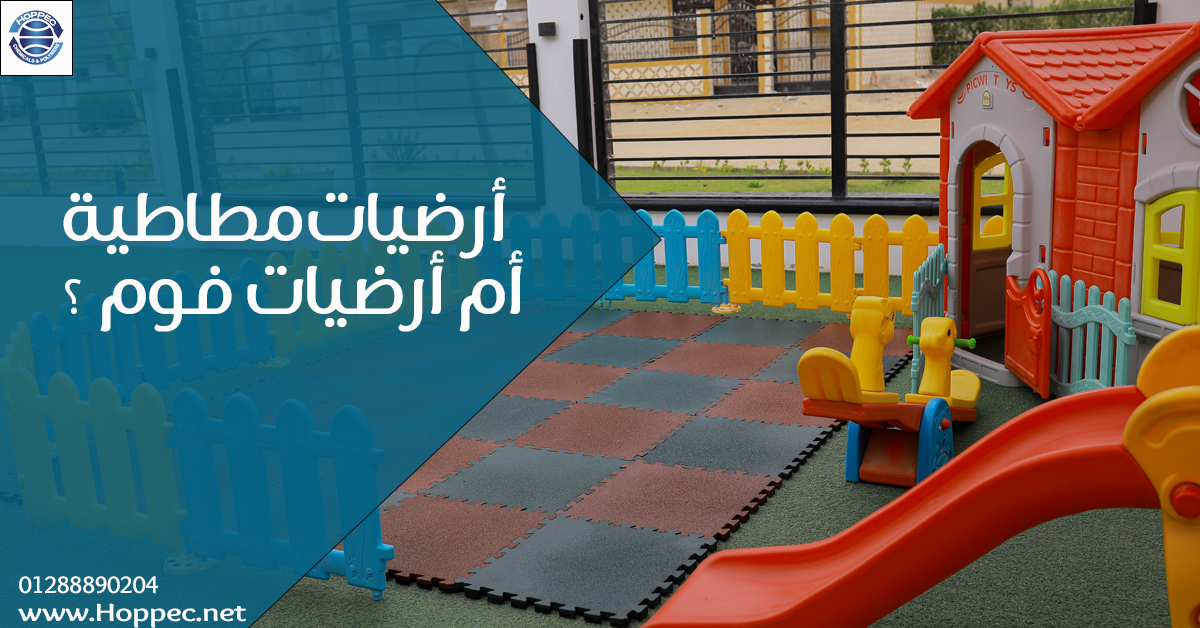
Rubber Floors or Foam Floors for Nurseries?
First: Foam Floors
Foam floors are a type of flooring made from soft and flexible sponge-like materials, designed specifically to create a safe and comfortable environment for children. Here are their key features:
Advantages of Foam Floors for Nurseries:
1. High Safety Standards:
Provide a soft surface that absorbs shocks, reducing the risk of injuries when children fall. Free of harmful substances like formaldehyde, making them safe for use.
2. Comfort and Flexibility:
Offer a comfortable surface for children to sit, crawl, or play. The flexible materials make them ideal for daily activities.
3. Attractive Colors and Designs:
Available in vibrant colors and fun patterns such as animals, numbers, and letters. Help stimulate creativity and learning in children.
4. Ease of Installation and Removal:
o Usually come in interlocking tiles (puzzle pieces), making installation simple and quick. o Easy to disassemble for cleaning or storage.
5. Slip and Water Resistance:
Help reduce the risk of slipping. Resistant to moisture and water, making them easy to clean and maintain.
6. Thermal and Acoustic Insulation:
Protect against cold from hard floors. Reduce noise, creating a calm and comfortable environment.
Types of Foam Floors Suitable for Nurseries:
1. Interlocking Foam Tiles:
Easy to install and can be shaped to fit the room size. Ideal for covering large spaces.
2. Educational Printed Foam:
Includes letters, numbers, and illustrations that help children learn while playing.
3. Foam Rolls:
Cover large areas and provide a continuous surface without gaps. Suitable for rooms with heavy use.
Second: Rubber Floors for Nurseries
Rubber floors for nurseries are a popular choice for creating a safe and comfortable environment for children. They are made from recycled rubber materials or EPDM, offering both flexibility and durability.
Advantages of Rubber Floors for Nurseries:
1. High Safety Standards:
Provide excellent shock absorption to protect children from injuries during falls. Non-slip surface reduces accidents caused by children’s play.
2. Durability:
Can withstand heavy use, making them ideal for high-traffic areas. Resistant to wear and tear for extended periods.
3. Ease of Cleaning:
Stain and moisture-resistant; can be cleaned easily with a damp mop and regular cleaning products.
4. Designs and Colors:
Available in a variety of colors and designs, including educational shapes and illustrations that add appeal to spaces.
5. Sound and Heat Insulation:
Reduce noise caused by children’s movement. Protect against cold from hard floors. Reduce noise caused by children’s movement. Protect against cold from hard floors.
6. Resistance to Environmental Factors:
Suitable for both indoor and outdoor use, as they can withstand various weather conditions such as heat and humidity.
Comparison Between Foam and Rubber Floors:
Durability
Rubber Floors Highly durable; suitable for long-term use. Foam Floors Less durable; suitable for light use.
Flexibility
Rubber Floors Flexible but less soft than foam floors. Foam Floors Softer and provides more comfort for children.
Maintenance
Rubber Floors Easy to clean and requires minimal care. Foam Floors Requires special care to maintain its quality.
Cost
Rubber Floors More expensive but a long-term investment. Foam Floors More affordable but requires frequent replacement.
Safety
Rubber Floors Offers higher safety, especially for non-slip protection. Foam Floors Provides good safety but less effective in preventing slips.
How to Choose the Best Option?
1. Location:
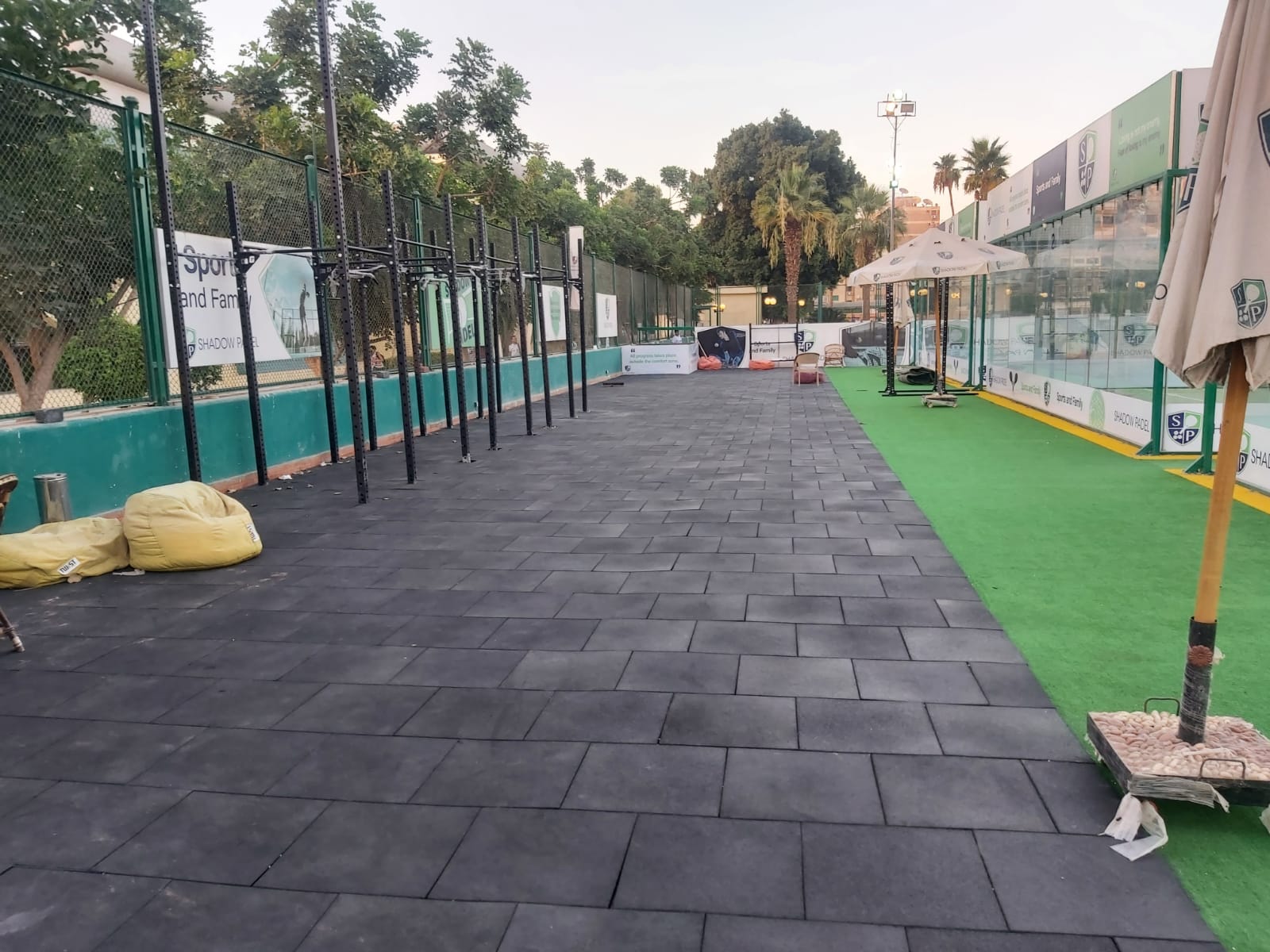
For outdoor areas, rubber floors are the better option as they resist weather conditions. For indoor areas, both types can be used depending on the budget
How to Choose the Best Option?
Rubber Floors
Outdoor play areas. Children’s pathways in gardens and schools. High-traffic areas.
Foam Floors
Indoor playrooms. Corners for educational activities. Temporary or small spaces.
2. Budget:
Rubber floors may be more expensive but are a long-term investment.
3. Safety:
If safety is the top priority, rubber floors provide better shock absorption and slip resistance.
Contact Us for More Information
Phone/WhatsApp: +201288890204
Email: info@hoppec.net



0 Comments